

+918048034357

Currently it only shows your basic business info. Start adding relevant business details such as description, images and products or services to gain your customers attention by using Boost 360 android app / iOS App / web portal.

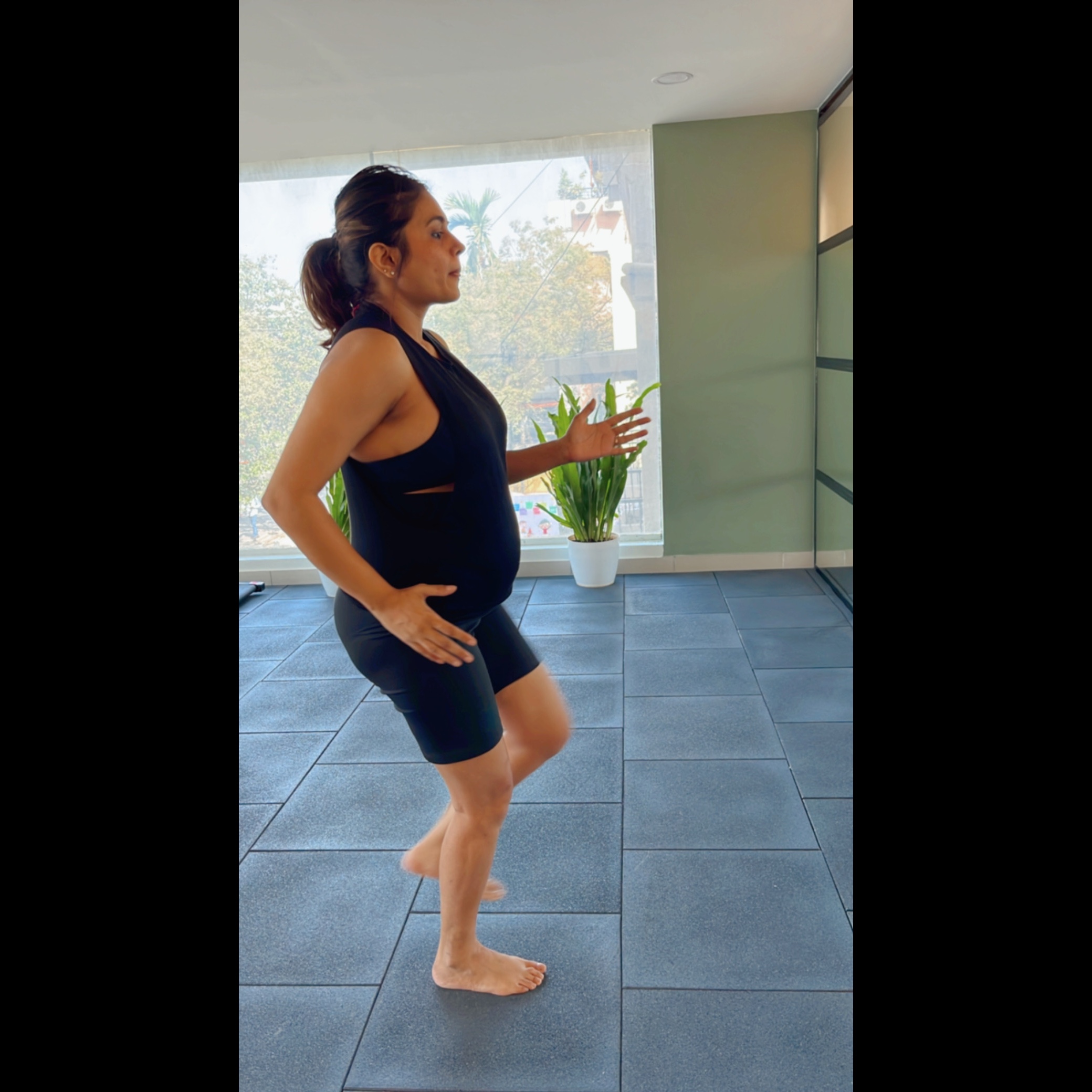
We at Enhance prioritise and emphasize on women's health in all stages of life. We at Enhance believe that 'A well nourished mother makes a well nourished child. Prenatal physiotherapy, also known as antenatal physiotherapy, is a specialized area of physiotherapy that focuses on supporting women’s physical health and well-being throughout pregnancy. Pregnancy brings about significant anatomical, hormonal, and physiological changes in the body, which can sometimes lead to discomfort, pain, or functional limitations. Prenatal physiotherapy aims to prepare the body for childbirth, reduce pregnancy-related discomfort, and promote a healthy recovery after delivery. During pregnancy, hormonal changes—particularly the release of relaxin—cause ligaments and joints to become more flexible in preparation for childbirth. While this is a natural process, it can also make joints less stable and increase the risk of pain and injury, especially in the lower back, pelvis, and hips. A prenatal physiotherapist helps manage these changes by providing posture education, gentle strengthening and stretching exercises, and strategies to maintain stability and alignment as the body adapts to the growing baby. One of the most common issues addressed in prenatal physiotherapy is pelvic girdle pain (PGP) and low back pain. These conditions affect many pregnant women due to the shifting center of gravity and increased load on the pelvic joints. Physiotherapists assess movement patterns, muscle imbalances, and joint mobility to create individualized treatment plans. Techniques may include manual therapy, specific stabilizing exercises, the use of pelvic support belts, and advice on safe movement and sleeping positions. Prenatal physiotherapy also focuses on pelvic floor muscle training. The pelvic floor supports the uterus, bladder, and bowel, and plays a vital role during childbirth and postpartum recovery. Strengthening and learning to relax these muscles can help prevent or reduce urinary incontinence, pelvic organ prolapse, and perineal trauma during delivery. Physiotherapists teach correct techniques for pelvic floor exercises (often called Kegels) and ensure they are performed safely and effectively. Another key aspect of prenatal physiotherapy is exercise guidance. Staying active during pregnancy has been shown to improve circulation, reduce fatigue, manage weight gain, and decrease the risk of gestational diabetes and hypertension. However, not all exercises are suitable during pregnancy. Physiotherapists design safe, individualized exercise programs that focus on maintaining core stability, flexibility, and cardiovascular fitness while avoiding strain on the abdomen or pelvic joints. Low-impact activities such as walking, swimming, and prenatal yoga are often recommended. Prenatal physiotherapists also prepare women for labor and delivery. Breathing techniques, relaxation training, and specific positions can help manage pain and support effective pushing during childbirth. Physiotherapists may teach perineal massage techniques in the later stages of pregnancy to reduce the risk of tearing during vaginal birth. Beyond physical preparation, prenatal physiotherapy promotes emotional well-being. By helping women understand the changes in their bodies and empowering them with tools for comfort and control, physiotherapy can reduce anxiety and increase confidence as birth approaches. In summary, prenatal physiotherapy plays a crucial role in enhancing comfort, preventing complications, and preparing women both physically and mentally for childbirth. Through tailored exercise programs, education, and hands-on care, it supports a healthy pregnancy and lays the foundation for smoother postpartum recovery and long-term well-being


